Snoring Overview
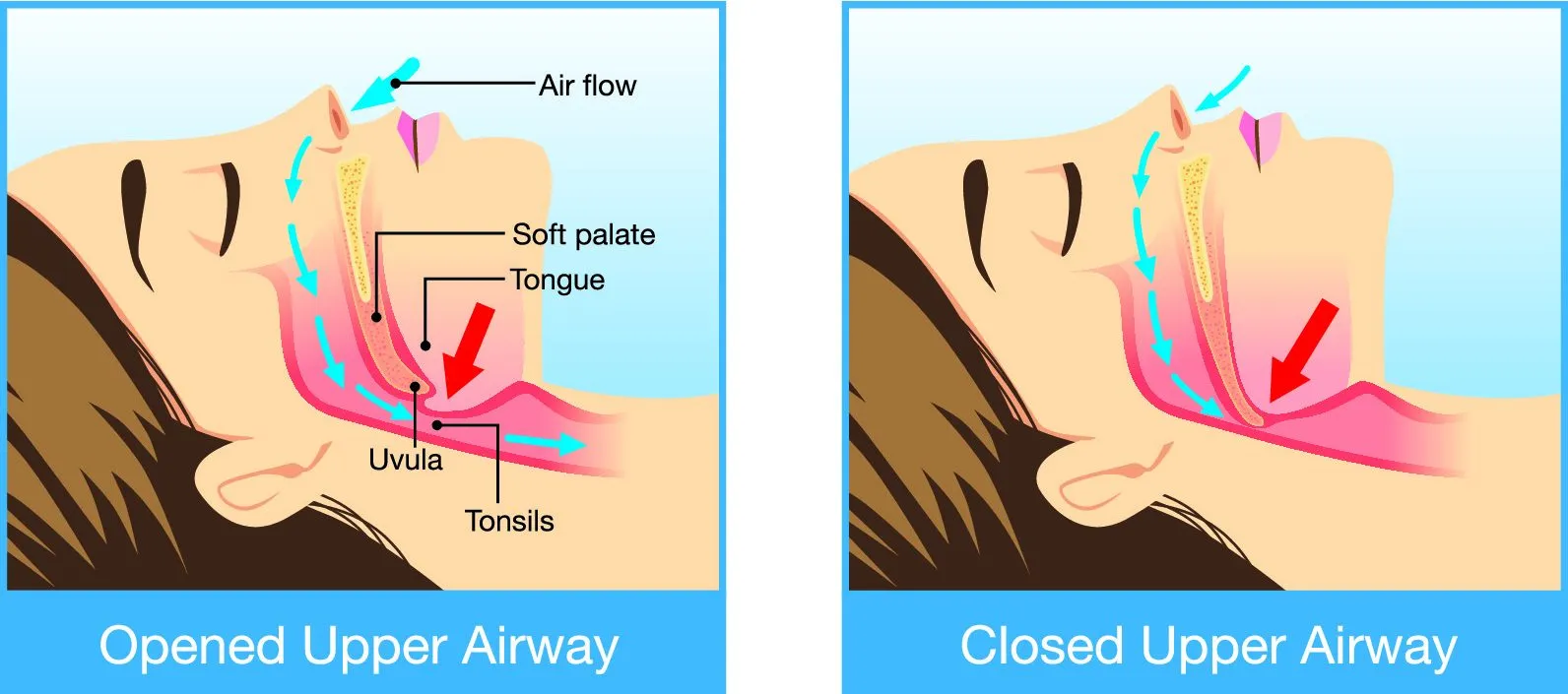
Snoring is a common problem, with ninety million Americans suffering from the condition. Snoring is generally related to an anatomic problem, not gender or hygiene. While snoring can have a negative impact on your personal life, it can also negatively affect your health, and should therefore be taken seriously. Approximately seventy percent of the time loud snoring is indicative of sleep apnea, but not everyone who has sleep apnea snores.
Snoring can be affected by one or more anatomical factors. For most sufferers, snoring is caused by the vibration of the muscular roof of the mouth, also known as the soft palate. For others, snoring is worsened by an obstruction of the nasal passage. An enlarged uvula, tonsils, and the base of the tongue can also contribute to the problem.
Daytime drowsiness, decreased libido and energy, and even depression can all result from snoring. More serious problems such as an increased risk of heart attacks and stroke, type 2 diabetes, weight gain, and high blood pressure can also result from habitual snoring.
On average, the bed partner of a snorer loses at least an hour of sleep every night. Because the partner’s sleep is interrupted so frequently, it is not deep and restful. Eventually, the lack of sleep can cause the snorer or bed partner to move to a different room. This often strains the relationship.
Sleep deprivation can compromise the immune system and lead to low energy, decreased productivity and foggy thinking. Chronic snoring can be a sign of obstructive sleep apnea (OSA). Dr. Malan can help you determine the cause and a course of treatment for your snoring, which may help save your relationships and your life!